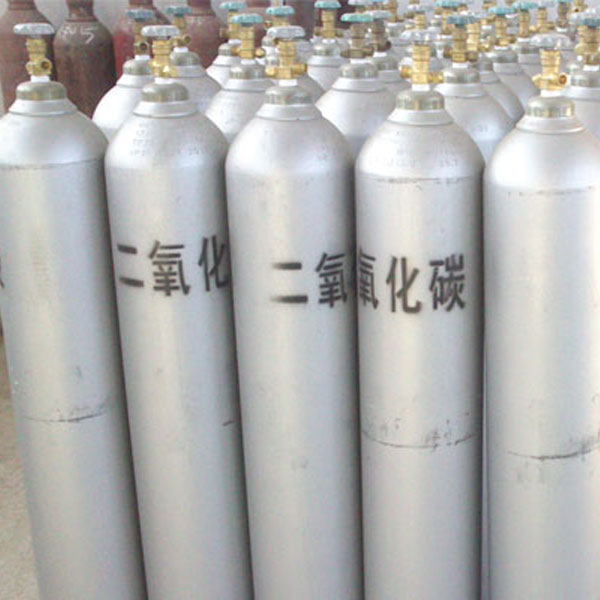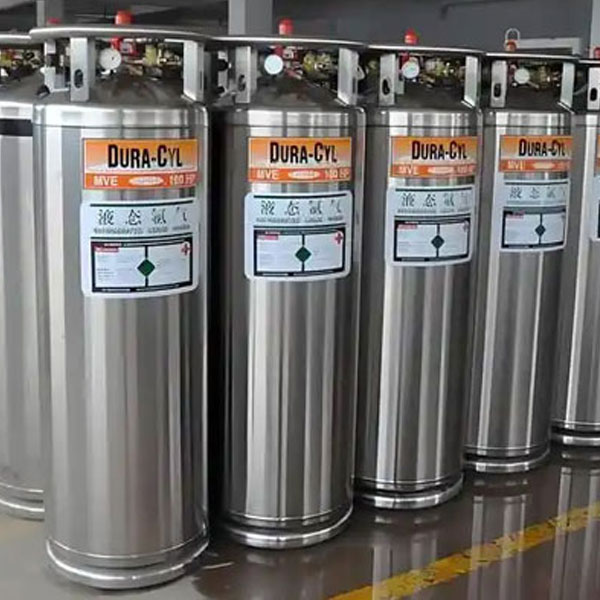


nitrogen
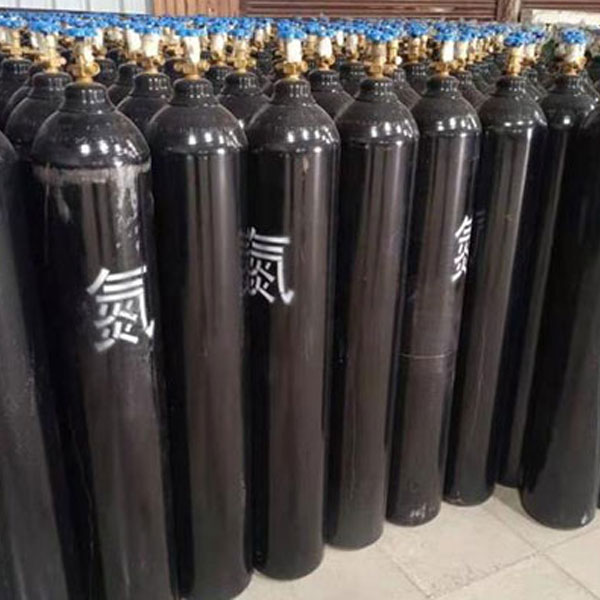
nitrogen
Nitrogen (N ₂) is a diatomic molecule with a relative molecular weight of 28.01 and a standard density of 1.251 kg/m ³ (slightly lighter than air). It is colorless, odorless, and insoluble in water. Boiling point -195.8 ℃, solidification point -210 ℃, liquid nitrogen appears colorless and transparent. The chemical properties are extremely inactive, and it hardly reacts with any substance at room temperature. It does not support combustion or flammability, but at high concentrations, it can displace oxygen in the air and pose a risk of suffocation.
产品分类
产品搜索
| chemical formula | N₂ |
|---|---|
| cas | 7727-37-9 |
| purity | 4N/5N/6N等 |
Core application areas
(1) Industrial manufacturing field
Chemical safety protection: used for inert protection of reaction vessels and storage tanks, by replacing air to reduce oxygen concentration to below 2% (highly flammable media such as hydrogen should be ≤ 1%), to prevent the formation of explosive mixtures;
Metallurgical processing protection: Nitrogen gas with a purity of ≥ 99.9% is introduced during stainless steel heat treatment, which improves the surface smoothness by 2-3 levels and reduces the scrap rate from 5% to below 1%; When welding aluminum profiles, nitrogen is used to isolate the air, reducing the porosity of the weld seam by 90%;
Machinery and Energy: Nitrogen injection underground in coal mines to suppress coal seam spontaneous combustion requires approximately 500000 cubic meters of nitrogen injection per 10000 tons of coal seam;
(2) Food and pharmaceutical industry
Food preservation: Food grade nitrogen (purity ≥ 99.5%) is used for modified atmosphere packaging. When the oxygen content of berry fruits is controlled to be less than 2%, the preservation period is extended to 30 days, and the incidence of nut oxidation and halitosis is reduced from 12% to 0.5%; After nitrogen filled packaging of puffed food, the rate of oil spoilage is reduced by 50%, and the shelf life is extended from 6 months to 18 months;
Medical support: Pharmaceutical grade nitrogen (purity ≥ 99.99%) is used for filling injection ampoules, extending the shelf life of penicillin and other drugs from 24 months to 36 months; When biological samples are frozen and stored, nitrogen and liquid nitrogen are combined to maintain an inert environment, resulting in a vaccine efficacy rate of over 95%.
(3) Electronics and Research Fields
Electronic manufacturing: Semiconductor wafer processing requires 6N grade high-purity nitrogen (99.9999%), ambient oxygen concentration ≤ 10ppm, dew point ≤ -60 ℃, to prevent wafer surface oxidation defects and improve chip yield by 12%; Nitrogen protection during LED soldering reduces the virtual soldering rate from 8% to 0.3%;
Low temperature and scientific research: Liquid nitrogen is used as a refrigerant (temperature -196 ℃) for superconducting material testing and biological sample freezing; In the quantum laboratory, blowing nitrogen through optical components can reduce water vapor interference and improve experimental accuracy by 20%.
(4) Daily life and environmental protection
Environmental governance: Nitrogen is added in the aeration process of sewage treatment, dissolved oxygen is maintained at 2-4mg/L, and COD removal rate reaches 85%; Nitrogen injection in eutrophication treatment of lakes improves the anaerobic environment of water bodies, and the mortality rate of algae reaches 90%;
Home applications: Nitrogen filling for grain storage and pest control, replacing chemical agents to reduce mold growth rate from 15% to 1%; Storing wine with nitrogen to isolate the air slows down tannin oxidation by 60%.
Safety regulations and operating guidelines
(1) Storage requirements
Environmental control: cool and ventilated warehouse (temperature ≤ 30 ℃), safe distance from flammable materials and reducing agents ≥ 5 meters, equipped with explosion-proof lighting and mechanical ventilation equipment (air exchange rate ≥ 10 times/hour);
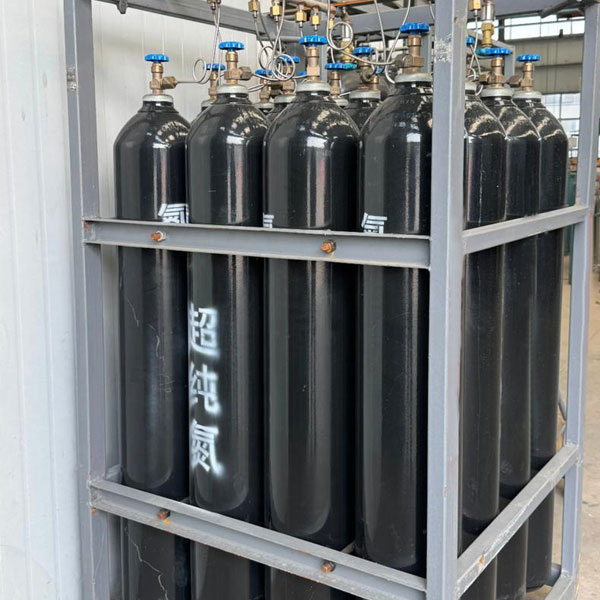
Container standard: Use seamless steel cylinders (working pressure 12-15MPa), inspected every 5 years; Liquid nitrogen storage tanks need to be regularly checked for vacuum degree to prevent overpressure caused by insulation failure.
(2) Transportation standards
UN classification: Non flammable and non-toxic gases (category 2.2), transportation vehicles labeled with “inert gas” signs, equipped with self-contained breathing apparatus and leak sealing equipment;
Special requirements: Steel cylinders must be fixed to prevent tipping and avoid impact; Liquid nitrogen transport vehicles need to be equipped with low-temperature protection devices to avoid densely populated areas and heat sources.
(3) Operation and Emergency Response
Operation taboos:
Before working in a confined space, check the oxygen concentration (≥ 19.5% for entry) and wear a portable oxygen detector;
During the replacement operation, the nitrogen flow rate should be ≤ 5m/s. Oxygen concentration should be detected every 10 minutes until it meets the process requirements (usually ≤ 5%) before operation can begin;
It is prohibited to use a filter mask to enter the leakage area, and a self-contained breathing apparatus (SCBA) must be used.
Leakage handling:
Immediately report to the police and designate a warning zone of ≥ 50 meters, turn on all ventilation equipment, and evacuate personnel in the upwind direction;
Close the upstream and downstream valves in case of pipeline leakage, tighten the main valve clockwise in case of cylinder leakage, and seal the valve with a special cylinder cap when it is damaged;
Continuously monitor oxygen concentration until it recovers to 20% -21% before lifting the alert.
Emergency measures:
Immediately transfer oxygen deficient individuals to fresh air and administer oxygen (flow rate 2-4L/min);
For those who have stopped breathing, perform cardiopulmonary resuscitation (chest compressions at a frequency of 100-120 times/minute), simultaneously dial 120 and explain “nitrogen asphyxia”.
(4) Disposal of waste
The residual gas in the steel cylinder can be emptied in a ventilated area without a fire source. Damaged steel cylinders should be disposed of by professional institutions as scrapped pressure vessels, and unauthorized cutting and modification are prohibited.